 Image 1 of 1
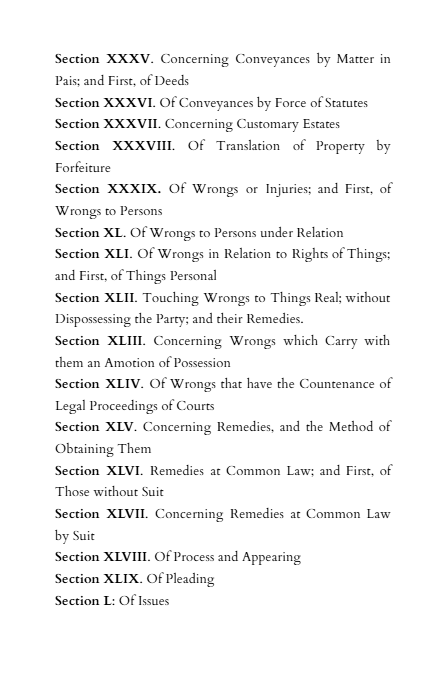
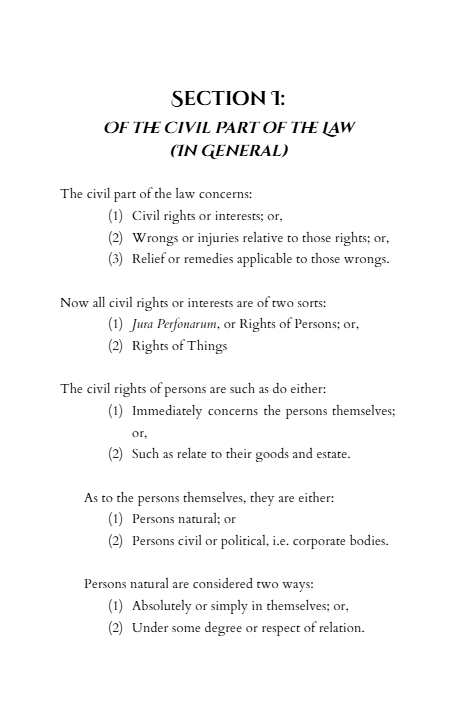
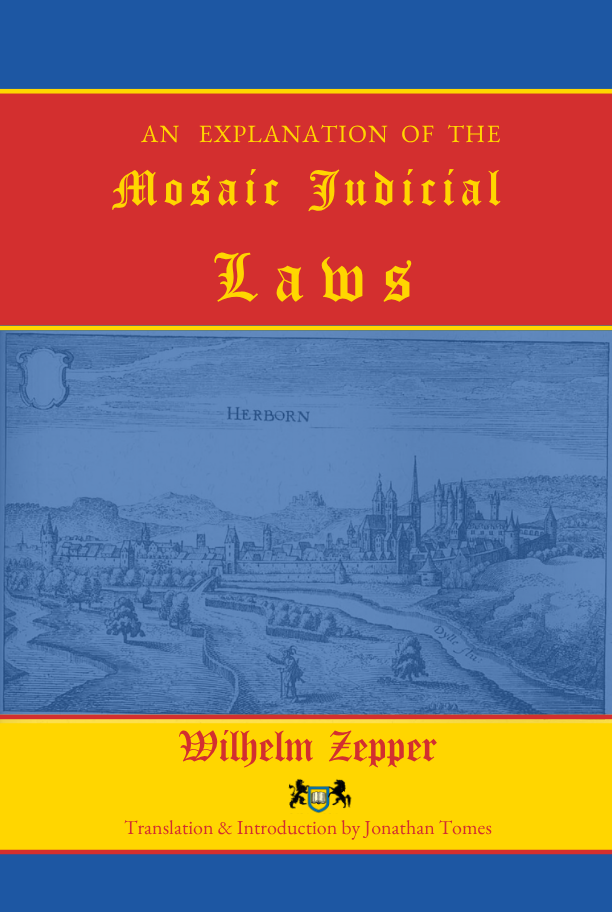
First published in 1604, with a second edition appearing in 1614, An Explanation of the Mosaic Judicial Laws examines whether, and to what extent, the judicial laws given through Moses have been abolished and what authority and use they retain under the New Testament. Zepper arranges the laws concerning persons, things, and actions according to the commandments of the Decalogue and draws from them instruction for ecclesiastical and civil officials in administering Christ’s kingdom in its ecclesiastical and civil dimensions. The result is both an exposition of biblical law and a comprehensive account of jurisprudence and Christian government. Wilhelm Zepper (1550–1607) was a German Reformed theologian, pastor, court preacher, church inspector, and professor of theology at Herborn. Throughout his ministry, he united theological learning with the practical work of ordering churches and schools.
6×9
Hardcover with Dust Jacket
724 pages
First published in 1604, with a second edition appearing in 1614, An Explanation of the Mosaic Judicial Laws examines whether, and to what extent, the judicial laws given through Moses have been abolished and what authority and use they retain under the New Testament. Zepper arranges the laws concerning persons, things, and actions according to the commandments of the Decalogue and draws from them instruction for ecclesiastical and civil officials in administering Christ’s kingdom in its ecclesiastical and civil dimensions. The result is both an exposition of biblical law and a comprehensive account of jurisprudence and Christian government. Wilhelm Zepper (1550–1607) was a German Reformed theologian, pastor, court preacher, church inspector, and professor of theology at Herborn. Throughout his ministry, he united theological learning with the practical work of ordering churches and schools.
6×9
Hardcover with Dust Jacket
724 pages